WASHINGTON – Serbia’s democracy score was downgraded from 3.79 to 3.61 on a scale from 1 to 7 in the latest edition of Nations in Transit published by Freedom House. It is the largest drop in Serbia’s score in the past decade and the largest among 29 countries included in the 2024 “Nations in Transit”. The December 2023 elections are prominently featured among the reasons for the decrease of the score.
Nations in Transit assigns a score from 1 to 7 in seven areas. Serbia’s overall score of 3.61 puts it in the category of “hybrid regimes” and moves it further away from the higher category, “semi-consolidated democracies”.
According to the report, in the area of Electoral Process, Serbia’s rating declined from 4.25 to 3.75.
This was “due to unfair electoral conditions and numerous irregularities in the December snap elections—such as organized voter migration, vote buying, and abuse of public resources—which affected electoral outcomes, especially in Belgrade, and bring into question the legitimacy of the electoral process”, the report says.
Serbia’s rating was also downgraded in the area of Local Democratic Governance, from 4.00 to 3.75. The reason was “the organization of snap local elections in some municipalities, which signaled local governments’ subordination to the national government and opened space for organized voter migration”.
Serbia also lost points in the area of Independent Media and Judicial Framework and Independence, for reasons not directly connected to elections.
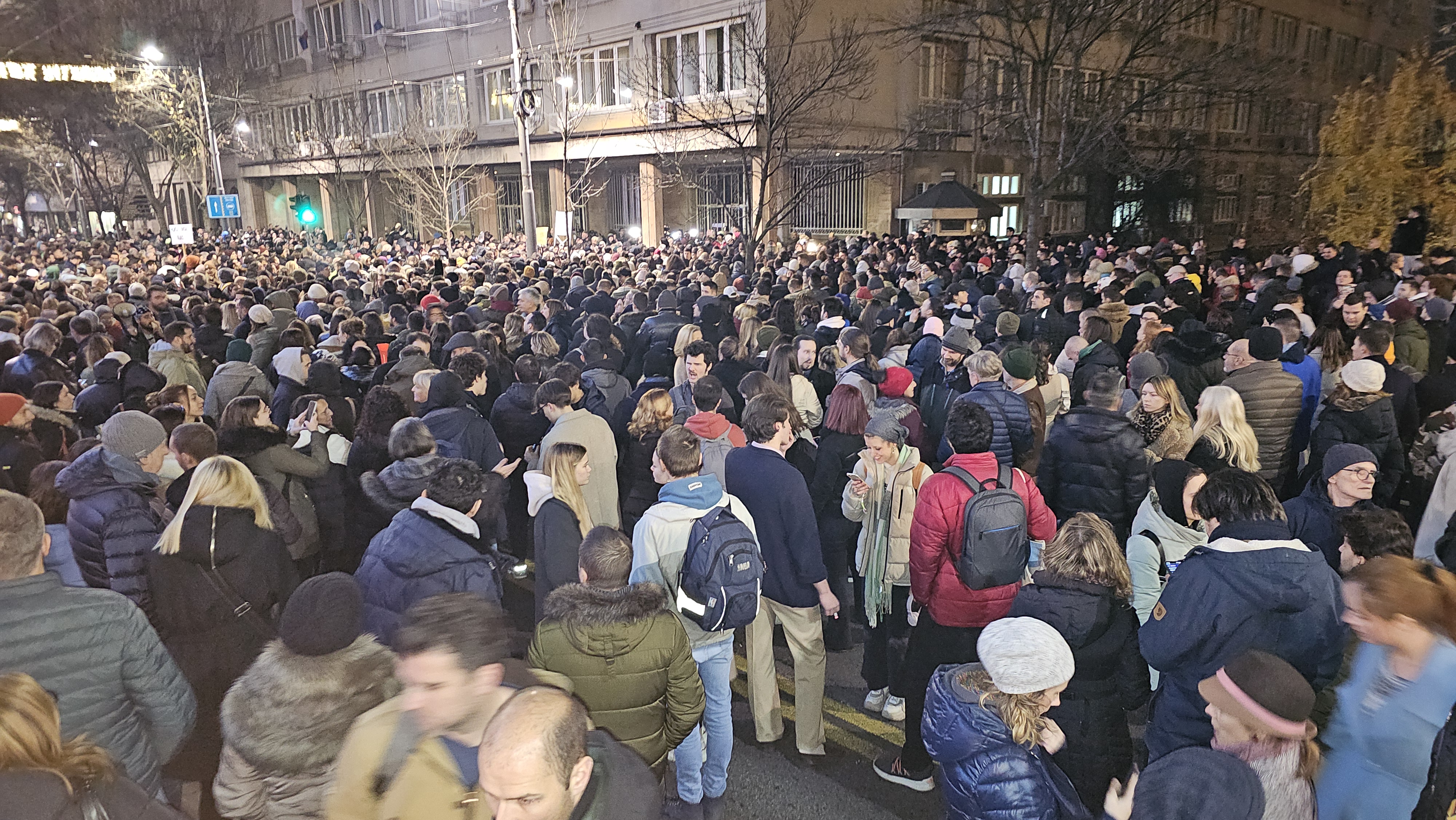
According to the summary of the report, Serbia found itself in political turmoil after two mass shootings on May 3 and 4 2023 were followed by mass protests and snap elections with disputed results.
“Snap parliamentary and local elections held on December 17 were marred by significant irregularities, demonstrating further deterioration of the electoral process and its legitimacy”, the report states.
The most controversial aspect of the elections, it adds, were the allegations that people had been transported to Belgrade from other Serbian cities, as well as from the Republic of Srpska in Bosnia and Herzegovina, so they could vote in local elections in the Serbian capital.
“Other than those allegations, the elections were marred by the usual irregularities on election day, but also by significant scandals during the preceding campaign, including the mass forging of signatures for the nomination of electoral lists and organized vote-buying schemes. The prosecution remained silent regarding those campaign-trail allegations, and the president publicly defended the vote-buying operation”, the Nations in Transit reports states.
Serbia is now ranked fifth out of seven countries in the Western Balkans, behind Croatia, Albania, North Macedonia and Montenegro and ahead of Bosnia and Herzegovina and Kosovo.